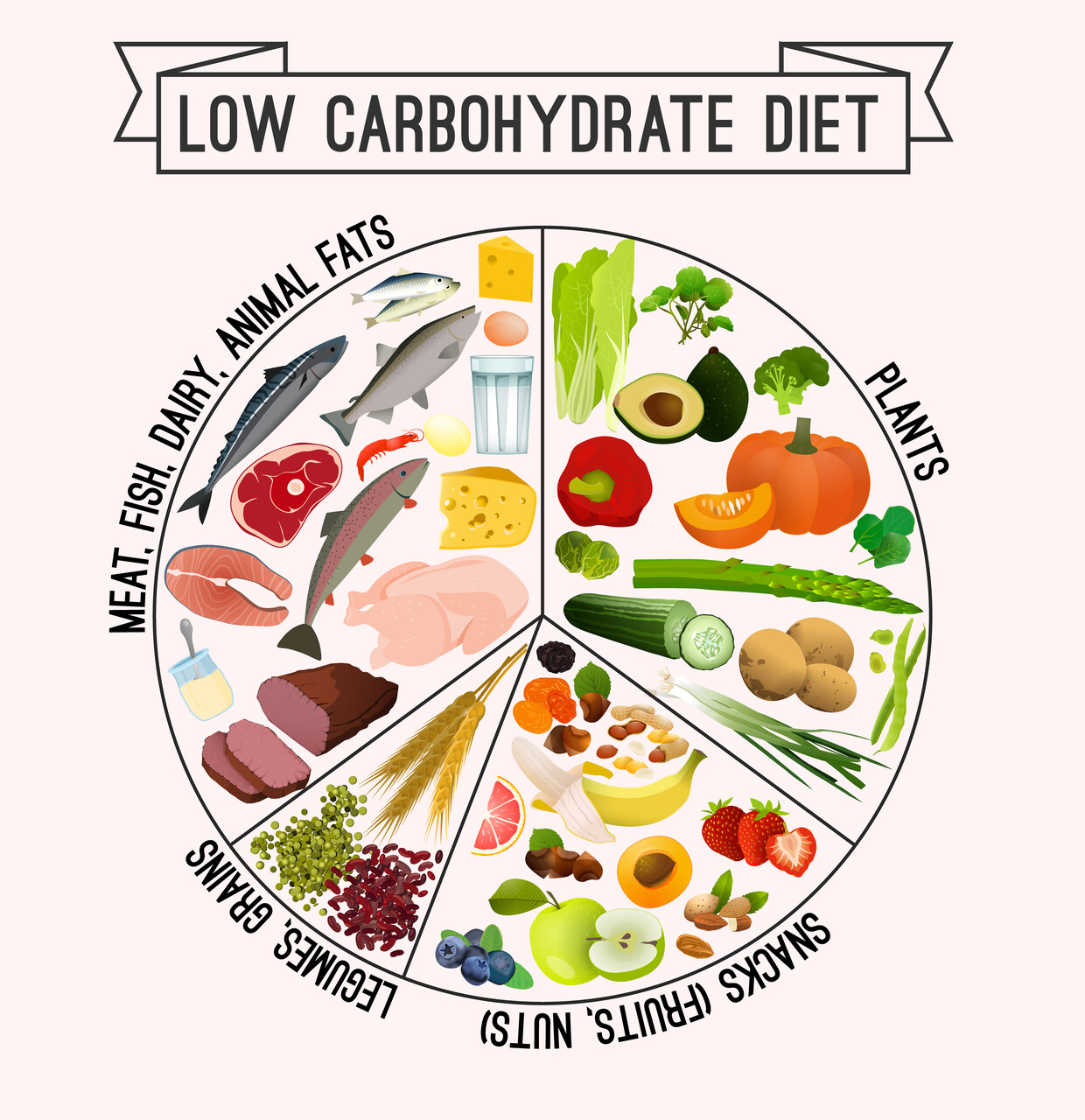
Low-carb diets focus on eating less carbohydrates, such as bread, pasta, rice, and sugary snacks, while increasing the intake of proteins and healthy fats. The goal is to lower blood sugar levels and enhance fat burning, which can help with weight loss and overall health. Popular low-carb diets include the Ketogenic diet, Atkins, and Paleo. They can lead to quick weight loss but may also introduce challenges and potential side effects.
One concern with low-carb diets is fatigue. As the body adjusts to using fats for energy instead of sugars, some people may feel weak or low on energy during this transition. This fatigue can be worse if not enough calories or nutrients are consumed. Generally, this tiredness diminishes after a few days or weeks, but planning the diet carefully is crucial to minimize these effects.
In this article, Crosser Natural Health delves into the connection between low-carb diets and chronic fatigue, exploring the underlying mechanisms that may contribute to feelings of tiredness and lethargy. By examining the effects of carbohydrate restriction on energy levels, nutrient deficiencies, and metabolic processes, we aim to provide a comprehensive understanding of why some individuals may struggle with fatigue on a low-carb diet and offer practical strategies to mitigate these effects.
Low-Carb Diets Can Cause Fatigue and Other Unwanted Symptoms
Low-carb diets are popular for losing weight and improving health, but they often cause side effects like fatigue. Lowering carbohydrate intake, a primary energy source, often leads to initial fatigue as the body adapts to using alternative fuel. This shift in energy utilization can result in exhaustion shortly after starting a low-carb diet.
Fatigue can start quickly, sometimes within days, and is known as the “keto flu. ” This phase can include weakness, lack of motivation, and trouble concentrating, making daily activities difficult. Lower carbohydrate intake may reduce blood sugar and insulin levels, requiring the body to adapt, which can cause sluggishness.
Poor nutrition, electrolyte imbalances, and less physical stamina are all factors that can increase fatigue. Experts see this fatigue as a common, temporary problem and suggest monitoring energy levels, gradually cutting carbs, staying hydrated, and consuming enough calories. Understanding the fatigue related to low-carb diets can help individuals manage early symptoms and keep their energy up.
Possible Causes of Fatigue on Low-Carb Diets
While popular for weight loss and better health, low-carb diets can result in feelings of tiredness and low energy. Understanding the reasons causing these symptoms can help manage them.
Fatigue may come from several factors. The body usually uses carbs for energy, and adapting to burning fat can lead to sluggishness. Losing electrolytes can cause fatigue, cramps, and headaches. Lower blood sugar levels from eating fewer carbs can also result in dizziness and tiredness.
Other factors include insufficient caloric intake, stress on the liver and kidneys, and mental fatigue due to lower serotonin levels. Understanding these reasons can help explain the tiredness many experience while on a low-carb diet.
Nutrient Deficiencies and Their Impact on Energy
Nutrient deficiencies can greatly affect energy and health. The body needs essential nutrients to produce energy; for example, low iron can cause fatigue since it helps transport oxygen in the blood, and low B vitamins can lead to low energy.
Restrictive diets, such as low-carb diets, may create nutrient gaps, leading to tiredness. Not including nutritious foods when cutting carbs can lower energy and lead to weakness. Understanding necessary nutrients shows why some diets drain energy.
A lack of calories, vitamins, or minerals can leave someone feeling tired even after adequate rest. Proper nutrients are vital for maintaining energy and avoiding fatigue, as cutting too many carbs can cause deficiencies. Good nutrition is key for energy and alertness.
The Role of Ketosis in Energy Levels
The role of ketosis in energy levels shows how some diets affect the body. In ketosis, the body uses fat instead of carbohydrates for energy. This shift can make people feel more alert after adapting, but the transition may cause fatigue.
The effects of ketosis on energy differ for each person. Some feel energized while others tire easily.. Low-carb diets may initially cause fatigue, and athletes might lose stamina. Energy is also affected by diet management and hydration. Gradually lowering carbs can help ease this transition.
Adapting to a Low-Carb Lifestyle
Adapting to a low-carb lifestyle means eating less bread, pasta, rice, and sugary foods, while increasing proteins, healthy fats, and vegetables. This change can be difficult as the body needs time to adapt. Many experience fatigue, especially in the first few weeks, because the body is used to burning carbs for energy and must switch to using fat, known as ketosis. This switch can lead to low energy, tiredness, and brain fog.
Fat provides energy more slowly, which may feel tiring for those relying on quick carbs. Lightheadedness and irritability can also occur during this adjustment period. Gradually reducing carbs, staying hydrated, and consuming enough electrolytes can help. Being patient and understanding that fatigue is temporary can support commitment to this lifestyle change.
Tips to Combat Fatigue on Low-Carb Diets
Navigating a low-carb diet can result in unexpected fatigue, but with the right strategies, you can boost your energy levels and thrive. Dr. Crosser recommends the following tips to help you combat fatigue while reaping the benefits of a low-carb lifestyle:
- Ensure you’re consuming enough healthy fats. Foods like avocados, nuts, and olive oil provide sustained energy.
- Stay hydrated; dehydration can mimic fatigue. Aim for at least eight glasses of water daily.
- Consider incorporating electrolyte-rich foods or supplements to balance your body’s needs.
- Prioritize quality sleep; restorative rest is crucial for energy recovery.
- Engage in light exercise, such as walking or stretching, which can invigorate your body and mind.
With these practical tips, you can overcome fatigue and harness the full potential of your low-carb journey. Embrace the process, listen to your body, and enjoy the vibrant energy offered by this transformative lifestyle!
Balancing Carbs for Optimal Energy
It’s important to find the right balance for lasting energy when you’re on a low-carb diet. Reducing carbs can be beneficial, but being too strict may cause tiredness and lower performance. Understanding which carbohydrates energize your body is crucial.
Adding complex carbohydrates like whole grains, legumes, and vegetables can maintain energy without raising blood sugar too much. Focus on choosing the right types and amounts of carbs for your needs. For personalized advice, contact us now!