
This article is written by the author and not AI generated.
We’ve all heard of cortisol. This is released in times of stress and it’s our body’s natural response. But when this becomes chronic, it is a major driver of many chronic diseases and poor health. It is far reaching to conditions like thyroid and sex hormone issues to sleep disorders, low libido, brain fog, a weakened immune system, and even poor gastrointestinal health. Does this sound like you?
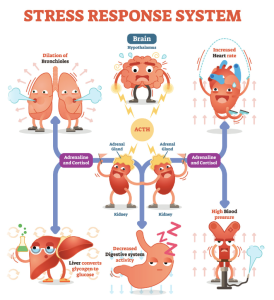
So how does this work? Our cortisol is managed by a system called the HPA axis; hypothalamic-pituitary-adrenal axis. You get stressed, the hypothalamus releases hormones to the pituitary, which releases its hormones to the adrenals to produce cortisol, catecholamines, or adrenalin. A disruption in this system is a major factor in sleep disturbances, keeping people awake when they should be sleeping.
We should always look at chronic stressors. They fall into several categories such as emotional or physical stress, toxins, mold exposure, an inflammatory diet, or poor sleeping habits.
Fortunately, we can test for our specific pattern by way of non-invasive, specifically timed saliva samples. We look at the morning’s cortisol awakening response and the natural diurnal rhythm. This will reveal imbalances in the HPA axis, which provides information for treatment.
This HPA axis profile will show dysfunction in one of three stages. Each stage provides a different, measurable dysfunction which guides the treatment and matches the symptoms. For example, the cortisol-dominant stage presents with mood and sleep issues, difficulty concentrating, blood sugar imbalances, food cravings, and frequent energy crashes. Here we see normal cortisol levels, but low DHEA levels. Chronic stress is pushing the body to shunt pregnenolone away from DHEA production to keep up with cortisol production. This will create a drop in testosterone and estrogen. This is merely one example. This is stage 2 and is the most common.
Dietary intervention is most crucial in this stage. Fasting in this stage will make matters worse. Eating first thing in the morning is key, with 25–35 grams of protein, along with some healthy fats and complex carbohydrates. No more than 75–100 grams of carbohydrates per day should be consumed.
Exercise in this phase should not be intense, but more prolonged, slow, and steady—such as walking, swimming, and yoga. Licorice root can help cortisol uptake, and phosphatidylserine can help lower cortisol in times of stress. Sometimes DHEA is added to support the HPA axis dysregulation. Adding Vitamin C supports the adrenals as well. But none of this should be done without the supervision of a functional medicine practitioner who knows your specific test results.
Stresses include physical and emotional stress, dietary stress, and inflammatory stress. These impact thyroid health, sex hormones, insulin resistance, the gastrointestinal system, detoxification, and inflammation. “Adrenal fatigue” goes far beyond the adrenals, involving the whole body.
Let’s start with good data to know how to approach the problem and begin to make lifestyle and dietary changes. Both are crucial to the solution.
Please follow these articles, as my subsequent articles will dig deeper. You can follow me on Instagram, TikTok, YouTube, and Facebook, or reach me at crossernaturalhealth.com or 302-994-1010.